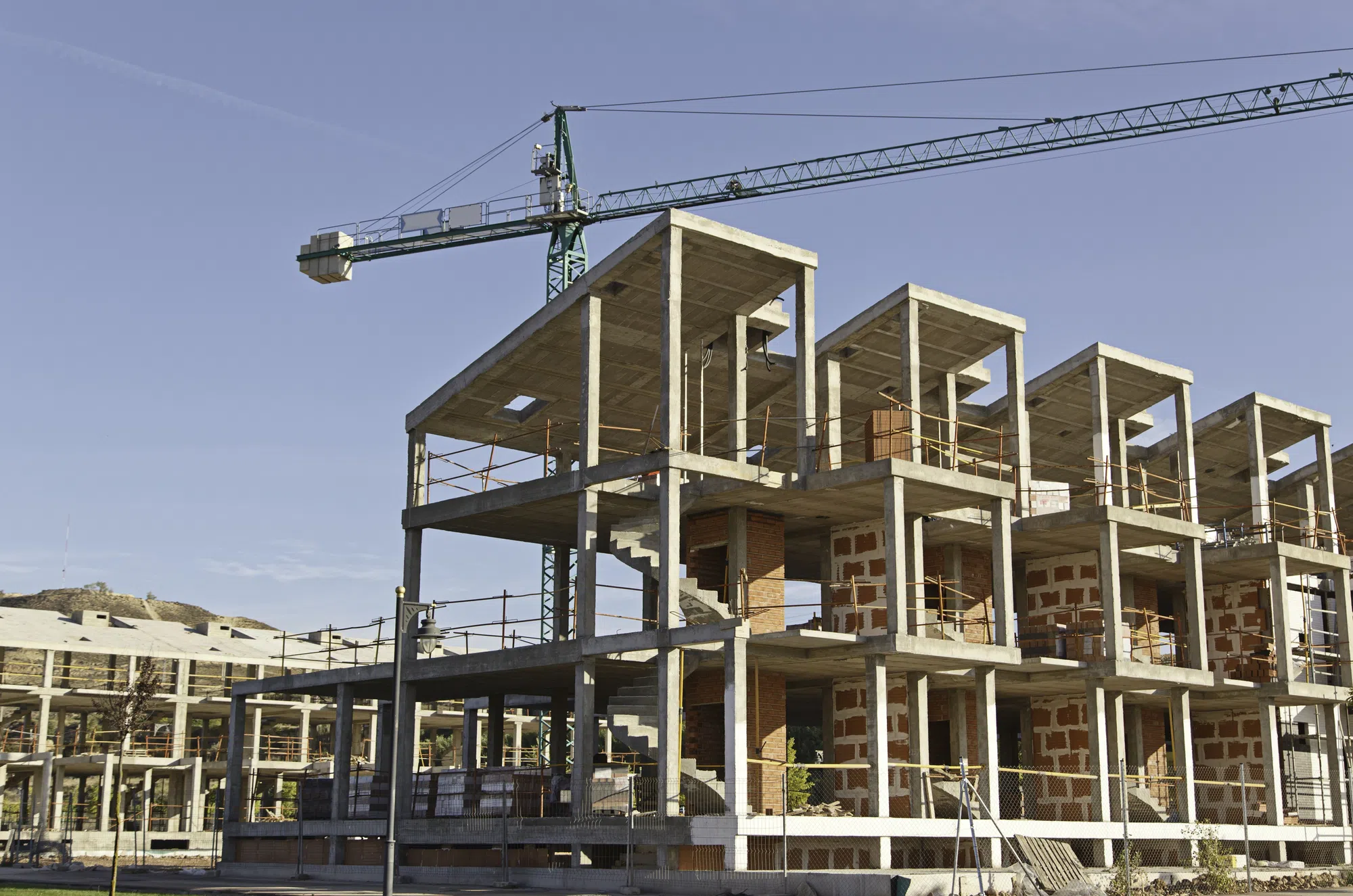
celiafoto / Depositphotos.com
The City of Edmonton is investing $11.5 million across nine new affordable housing sites, adding 150 homes for Edmontonians in core housing need.
The Affordable Housing Investment Program (AHIP) supports organizations developing non-market affordable housing for Edmontonians in core housing need, meaning they pay more than they can afford in housing costs, or live in crowded or unsafe conditions and can’t afford to move.
The projects approved cover a wide range of non-market housing options, from mixed-market to supportive housing.
Together, they will provide homes for women and children fleeing violence, people with disabilities, Indigenous Peoples, newcomers and members of the 2SLGBTQIA+ community.
“These 150 homes will provide stability and change lives, helping build a stronger, safer city,” said Mayor Andrew Knack.
“Edmonton has increased its affordable housing by more than 40 per cent since 2019, and in large part, that achievement happened because of the City’s early and consistent support for projects like these.”
Three of the projects are Indigenous-led, including Pakoshayimoohk (Hope) Village, a mixed-use affordable housing development by the Métis Capital Housing Corporation that received the largest grant in this funding round.
“Pakoshayimoohk Village combines stable housing, supportive community integration, natural green spaces, fitness opportunities and community gardening to promote healing, dignity, independence and hope,” said Valerie Quintal, Secretary, Housing & Infrastructure, Otipemisiwak Métis Government.
“This type of transitional housing can serve as a bridge to long-term recovery, self-sufficiency and a higher quality of life.”
Two projects will advance the development of supportive or transitional housing, helping people experiencing homelessness move into housing with higher levels of support.
While Edmonton currently has more than 1,300 units of permanent supportive housing, several hundred additional units are needed to meet current demand.
Other projects will support families, newcomers and racialized individuals, who face a higher risk of core housing need.
While many newcomer-focused developments include multi-bedroom units, the Boyle Street project is designed for smaller households and will offer supports and programming in a flexible main-floor space that helps build community connections.
The space will be used for cooking classes, settlement workshops, seniors’ activities, cultural gatherings and other programming that helps foster connections among residents and neighbours.
Executive Committee approved the following grants:
- C.A.R.E. Housing Society: $212,822 to construct a fully-accessible single-detached house for people with developmental disabilities in Britannia Youngstown.
- Coja Projects Ltd.: $250,000 and $480,000 to construct, respectively, a semi-detached residential building with garage suites, and a multi-unit residential building in Calder for newcomers and women and children fleeing violence.
- Edmonton 2 Spirit Society: $493,000 and $460,000 to construct two 12-unit transitional housing buildings for Indigenous 2SLGBTQIA+ people in Grovenor.
- Excel Society: $1.202 million to construct fully accessible supportive housing for people with developmental disabilities, mental health challenges and addictions in Balwin.
- Métis Capital Housing Corporation: $6 million to develop an affordable housing project in Blatchford with 55 one- and two-bedroom units, including 14 barrier-free units.
- Right at Home Housing Society: $694,400 to construct eight row housing units for low-income families on an undeveloped portion of its Hazeldean Heights property.
- Soufi Holdings Company: $1.7 million to construct 25 new one-bedroom apartment units in Boyle Street, including five barrier-free units, for newcomers and racialized individuals.
The next round of AHIP is currently underway and accepting applications until July 31, 2026.





Comments